Comic Story Font: A Whimsical Design Asset for Creative Projects
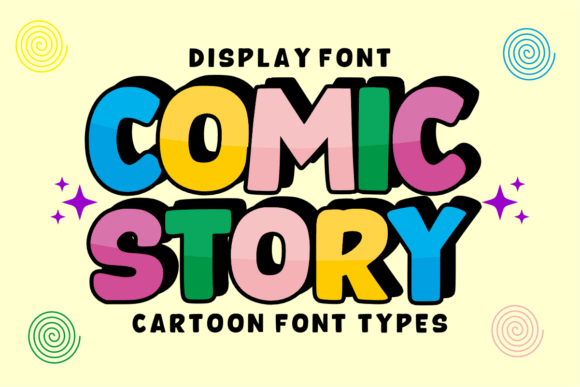
Every designer knows the power of a perfect typeface to instantly set a mood. Imagine a font that captures the playful energy of a classic cartoon, bringing a sense of nostalgia and fun to any project it touches. This is the unique charm of the Comic Story display font, a modern typeface with strokes that echo childhood memories and animated tales.
Understanding the Visual Impact of Playful Typography
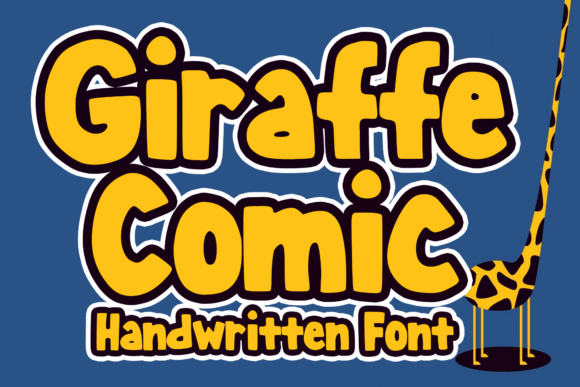
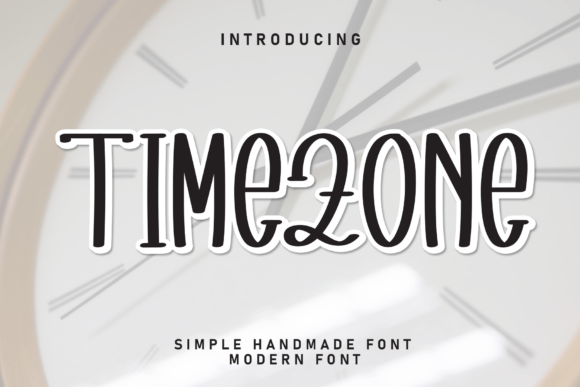
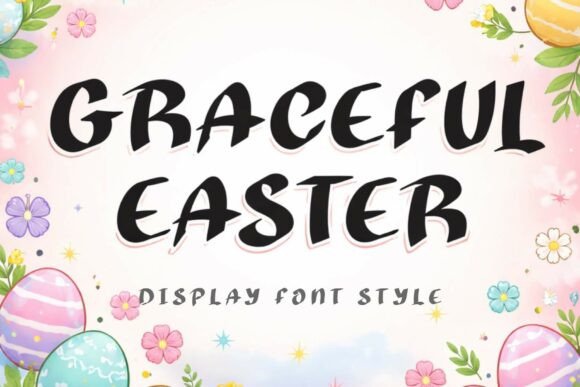
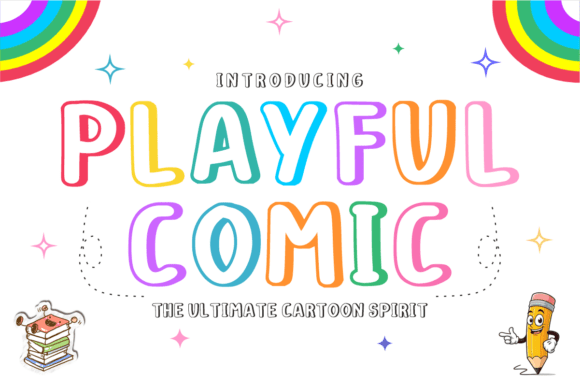
In visual design, typography is a cornerstone of brand identity and user experience. While minimalist sans-serifs and elegant serifs have their place, a font like Comic Story offers a distinct strategic advantage. Its quirky, hand-lettered style injects personality and approachability, making it ideal for projects targeting younger audiences or those seeking a lighthearted, creative vibe. The unique elegance of its capital letters and playful cuteness can transform standard text into a memorable visual element.
This font is more than just a novelty; it's a practical creative asset for specific design goals. Its strength lies in its ability to communicate joy, imagination, and accessibility, which is crucial in effective branding and marketing communications.
Practical Applications Across Design Disciplines
The versatility of Comic Story allows it to shine in numerous creative contexts. Its modern, comic-style strokes are not limited to one medium, making it a valuable tool in a designer's toolkit. Consider its application in:
- Branding and Logo Design: Perfect for brands in the children's entertainment, toy, or educational sectors. It can craft a logo that is instantly friendly and recognizable.
- Marketing and Social Media Graphics: Ideal for creating eye-catching headlines, promotional posters, and social media content that needs to stand out with a burst of energy.
- Packaging and Merchandise Design: Excellent for product labels, t-shirt designs, tote bags, and personalized mugs where a whimsical touch increases perceived value and appeal.
- Editorial and Digital Layouts: Use it for chapter titles in children's books, engaging headers in magazines, or interactive elements in apps and websites aimed at family audiences.
Integrating a Display Font into Your Design Workflow
Successfully incorporating a character-rich font like Comic Story requires thoughtful application. The key is to balance its distinctive personality with overall design clarity. Always consider your primary audience and the core message of your project. A playful font should enhance, not overwhelm, your visual hierarchy.
Here are key considerations for using such a typeface effectively:
- Pairing for Readability: Combine Comic Story with a clean, neutral sans-serif for body text. This maintains readability while allowing the display font to capture attention in headlines and short bursts.
- Color and Context: Align the font with a vibrant color palette that complements its playful nature. Ensure the context—whether a website UI, packaging, or social media graphic—supports a fun and engaging tone.
- Scalability and Medium: Test the font at various sizes. Display fonts often work best at larger scales for logos, titles, and posters. Confirm it renders crisply in both print and digital formats.
Choosing the right creative assets is a fundamental part of a professional design workflow. A thoughtfully selected typeface does more than fill space; it communicates a brand's personality, guides user attention, and creates an emotional connection. By leveraging resources like the Comic Story font, designers and creators can efficiently add a layer of polished, thematic consistency to their work, ensuring their visual communication is both beautiful and strategically effective.